


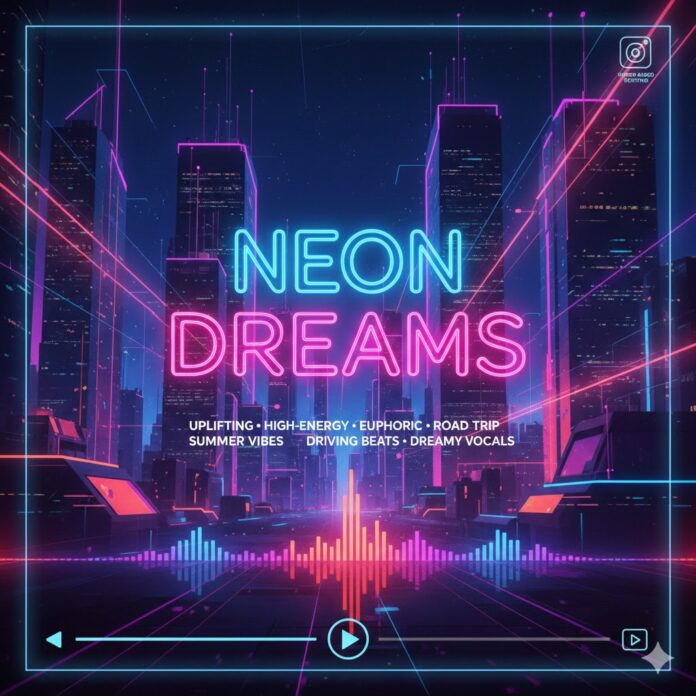
The Death of the Genre: Why Your 2026 Playlists Care More About Your Vibe Than Your Sub-Genre
Remember the “Genre Wars”? We used to spend hours arguing over whether a band was Post-Punk or Shoegaze. Fast forward to 2026, and honestly? Nobody cares.
Walk into any room today, and you’re less likely to hear someone ask for “some Indie music” and more likely to hear, “Can you put on something that feels like a 2:00 AM drive through a rainy city?” The walls between genres haven’t just thinned—they’ve collapsed. We are living in the era of Mood-Based Listening, where the algorithm cares way more about your heart rate and your “valence” than whether a track features a turntable or a Telecaster.
The New Gatekeepers: Energy and Valence
If you want to understand how music moves in 2026, you have to look under the hood of the streaming giants. They’ve moved past simple tags. They now scan every upload for two specific metrics:
-
Energy: This isn’t just “fast vs. slow.” It’s a measure of intensity, percussiveness, and dynamic range. A heavy metal track and a high-BPM techno song might be worlds apart stylistically, but to an algorithm building a “Gym Hype” playlist, they’re essentially the same tool for the job.
-
Valence: This is the “secret sauce.” Valence measures the emotional weight of a song. High valence feels like sunshine and euphoria; low valence feels like a cold room and a heavy heart.
This is why your “Sad Girl Autumn” playlist can seamlessly jump from a folk singer-songwriter to a lo-fi trap beat without it feeling jarring. The genre changed, but the feeling stayed the same.
How to Play the System: Tagging for the “Mood Economy”
If you’re an artist, the old way of tagging your music (“Rock/Alternative”) is a one-way ticket to the bottom of the search results. To get fed into the right ears, you have to start thinking like a curator of feelings.
Here’s how to optimize your metadata for the 2026 landscape:
-
Ditch the Labels, Use Adjectives: Instead of “Electronic,” try “Cinematic,” “Gritty,” “Ethereal,” or “Aggressive.” These words tell the algorithm which “Mood Bucket” you belong in.
-
Target the Scenario: People don’t search for “Mid-tempo synth music” anymore. They search for “Focus,” “Deep Work,” “Dinner Party,” or “Gaming Flow.” If your track fits a specific activity, make sure that’s in your metadata.
-
The “Visual” Tag: We’re seeing a massive rise in aesthetic-based tags. Think “Cottagecore,” “Cyberpunk,” or “Dark Academia.” These tags help the algorithm pair your music with the visual trends currently blowing up on social media.
The Bottom Line
In 2026, listeners aren’t looking for a category; they’re looking for a companion to their current state of mind. As an artist, you aren’t just a “Musician” anymore—you’re a mood provider.
The next time you’re hitting “upload,” ask yourself: If this song was a weather pattern or a specific time of night, what would it be? Answer that, and you’ve found your audience.

















 🔥 Limited Time: Get 55% OFF All Plans - Ends in: